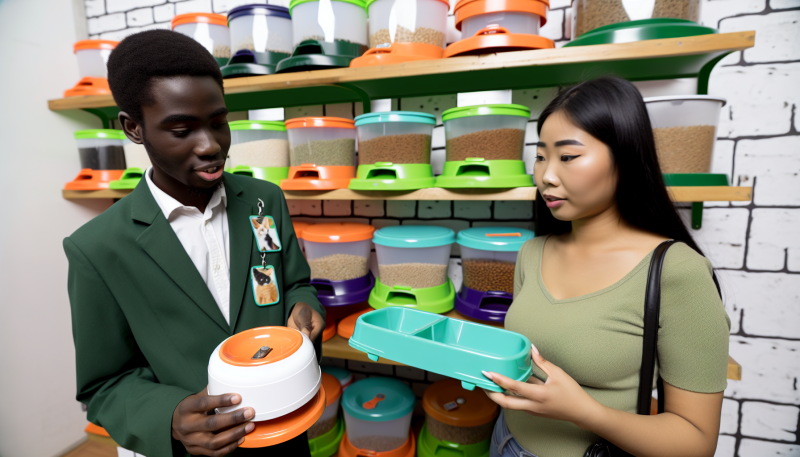
Automatic pet feeders come in various styles and functionalities, catering to the unique needs of pet owners and their furry companions. These innovative devices are designed to simplify feeding routines, ensuring your pets receive their meals on time, even when you’re not home. Let’s explore the types of pet feeders available today.
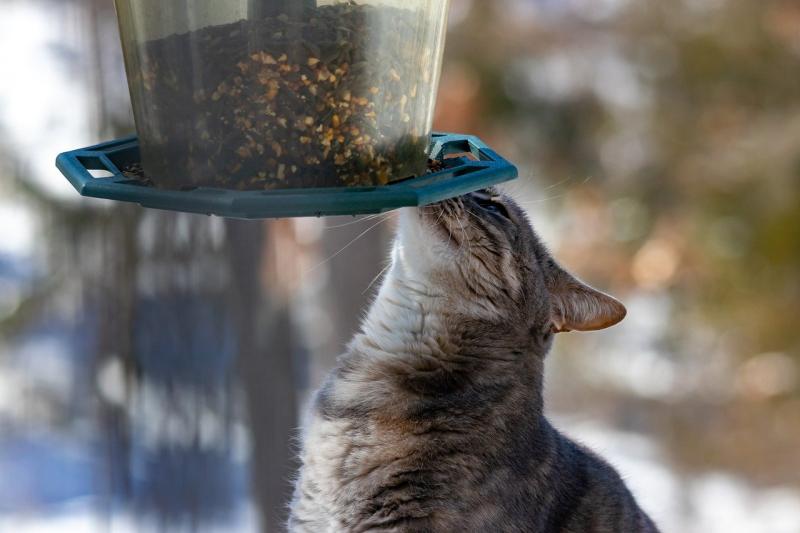
One popular type of automatic pet feeder is the gravity feeder. This feeder relies on gravity to dispense food as your pet eats. Simply fill the reservoir, and as your pet consumes the food, more will fall into the dish below. Gravity feeders are easy to use and require minimal maintenance, making them a favorite among busy pet owners.
Another common option is the programmable pet feeder. These advanced feeders allow you to set specific feeding times and portion sizes through a digital timer or smartphone app. This means you can customize your pet's meal schedule, ensuring they get the right amount of food at the right times. Programmable pet feeders are great for pets that tend to overeat or for those on special diets.
For those who want to go a step further, there are smart pet feeders. These high-tech devices connect to your Wi-Fi and can be controlled remotely via a smartphone app. Some models even feature built-in cameras, allowing you to monitor your pet while they eat. Smart pet feeders provide convenience and peace of mind, especially for pet owners who travel frequently or have busy schedules.
Benefits of Gravity Feeders
Gravity feeders are a popular choice among pet owners for several reasons. One of the most significant benefits is their convenience. Unlike traditional pet feeders that require regular refilling, gravity feeders automatically dispense food as your pet eats. This means less time spent on maintenance and more time for your furry friend. With a gravity feeder, you can ensure your pet always has access to food, which is particularly beneficial for busy pet parents.
Another advantage of gravity feeders is portion control. These pet feeders help regulate the amount of food available, allowing pets to nibble throughout the day instead of consuming a large meal all at once. This can be especially helpful for pets that tend to overeat or for those on weight management plans. By controlling the food flow, owners can promote healthier eating habits and maintain their pet's ideal weight.
Gravity feeders are also designed to minimize mess and waste. Many models feature a sturdy design that keeps the food contained and prevents spills. This functionality makes these pet feeders suitable for both indoor and outdoor use, as they can withstand various environments without creating a challenging clean-up situation. Thus, pet owners can enjoy peace of mind knowing their space remains tidy while their pets are happily fed.
Finally, gravity feeders often come in various styles and sizes, catering to different pets and their individual needs. Whether you have a small cat or a large dog, there’s an option that works perfectly for you. The versatility of these pet feeders makes them an excellent investment for any pet owner looking to simplify mealtime while keeping their pets well-fed and healthy.
Choosing the Right Feeders for Your Pet
Another factor to consider is the size and type of your pet. Larger dogs may require bigger feeders that can hold more food, while smaller pets might benefit from feeders that are designed specifically for their size. Gravity-fed feeders are also a popular choice as they provide a continuous supply of food without the need for constant refilling. These pet feeders are great for those who want to ensure their pet has access to food at all times without the hassle.
Additionally, you might want to think about the materials used in pet feeders. Stainless steel and ceramic options are often more durable and easier to clean compared to plastic feeders, which can retain odors and may not be as sturdy over time. It's also beneficial to choose feeders that have non-slip bases to prevent sliding during feeding time, promoting a more enjoyable eating experience for your pet.
Lastly, consider the feeding behavior of your pet. Some pets eat too quickly, which can lead to health issues. In such cases, specially designed slow feeders can help slow down their eating pace, promoting better digestion. Using the right pet feeders tailored to your pet's eating habits and needs can make a significant difference in their overall health and well-being.
Easy Maintenance and Cleaning Tips
When it comes to caring for your furry friends, easy maintenance and cleaning of pet feeders can make your life a whole lot simpler. Keeping your pet feeders clean not only ensures your pets eat from a hygienic bowl but also extends the life of the feeder itself. Here are some straightforward tips to help you maintain and clean your pet feeders effectively.
First, make it a habit to clean your pet feeders regularly. Depending on the type of food you're using and your pet's eating habits, washing the feeders at least once a week is ideal. Use warm, soapy water to scrub both the bowl and any detachable parts. For stubborn stains or residue, you can soak the feeder in a solution of vinegar and water for about 30 minutes before scrubbing. This will help break down any buildup, making it easier to clean.
If you have automatic pet feeders, be sure to check their mechanisms and sensors periodically. A quick wipe down with a damp cloth and mild soap can prevent dust or food debris from interfering with their operation. Keeping these parts clean will not only ensure they work smoothly but will also minimize the risk of any bacteria festering in hard-to-reach areas.
Finally, consider the materials your pet feeders are made from. Opt for feeders that are dishwasher-safe, as this can save you time and effort. Stainless steel or ceramic feeders are often easier to clean and less prone to harboring bacteria compared to plastic models. With these tips in mind, you'll find that maintaining your pet feeders can be a hassle-free task, allowing you to spend more quality time with your beloved pets.